
Trend Report: Luxury Travel on the Rise
In “The Theory of the Leisure Class”, sociologist Thorstein Veblen explained the driving forces of fashion as intimately linked to the Western hierarchical (yet fluid) class society. Fashion was defined as s mechanism of distinction, symbols used by the elite to distinguish themselves from the lower classes. High heels, wide-brimmed hats, and white linen suits were either impractical or uncomfortable, and thus impossible to wear as a manual labourer.
Veblen’s essay was first published in 1899, and at that time, almost all clothing was still made by hand. Haute couture was considered the world’s most exclusive mode of clothing production, but as early as 1812, uniforms had been mass-produced for soldiers, and by the early 20th century, men’s fashion was increasingly being made in factories.
Soon, women’s clothing was also predominately machine-made. Ths is the reason that 20th-century fashion became more minimalist and streamlined than ever before. Industrialization created a new aesthetic ideal.
Over time, the two worlds, haute couture and prêt-à-porter, became intertwined. In 1969, Pierre Cardin, at the time a celebrated couturier, was expelled from the Fédération de la Haute Couture Et De La Mode for putting his logotype – until then a symbol of haute couture and thus exclusively handmade garments – on factory-made clothes.
The move was considered not only inappropriate but downright harmful to the elevated image of French fashion. But customers didn’t care, they couldn’t get enough of the new mass-produced “luxury”, and soon Pierre Cardin’s name was stamped on everything from pens and telephones to cigarettes and tuna cans.
The state of luxury fashion is currently going from bad to worse. The industry’s extreme pricing strategy, in some categories a rise over 100 percent in recent years, has deterred consumers, while media has extensively covered its lack of quality.
This summer, the news that Dior’s canvas bags weren’t made by hand in France but in factories in China was replaced with stories about Loro Piana’s Italian sweatshop. This is why creative directors are replacing each other so fast that even the most invested of fashionistas are having difficulty remembering who’s in charge at which fashion house.
Veblen defined fashion as an effect of a social need, which means that when fashion no longer holds this function, consumers will turn to other product categories. His successor, sociologist Elizabeth Currid-Halkett, wrote The Sum of Small Things: A Theory of the Aspirational Class a few years back.
In this book, she argued that luxury today is not always synonymous with a large logo, but can be expressed in more subtle things, like choosing to eat organic food, or drinking low-intervention wines, produced in very small, exclusive quantities
Another way that this distinction can be expressed is through travel. Two months ago, The Economist published the article “Luxury goods are out, but luxury travel is in”, in which the reporter claimed that luxury fashion has been replaced by luxury hospitality.
Anyone visiting exclusive resorts may testify to this, long gone are the days of Louis Vuitton-suitcases and Bottega-trainers, instead most people are casually dressed, with only an occasional Prada-beach bag hidden under the sun-bed:
“Global spending on luxury hospitality will exceed $390 bn in 2028, up from $239 bn in 2023, reckons McKinsey. At the Accor Group, which owns the smart Sofitel chain as well as cut-price Ibis, Sébastien Bazin, the chief executive, aims to expand the share of cashflow coming from the luxury segment from around 35% today to 50% in 2030. [–––] Revenues per available luxury hotel room have been higher every month than in 2024, according to CoStar, a real-estate data firm; for cheaper rooms they have mostly declined. At Chase Travel, part of JPMorgan Chase, America’s biggest bank, first-class flight bookings jumped by over 20% year on year between June and August. Some 820 private jets will be delivered in 2025, a rise of 7.3%, forecasts IBA, which provides aviation data.”
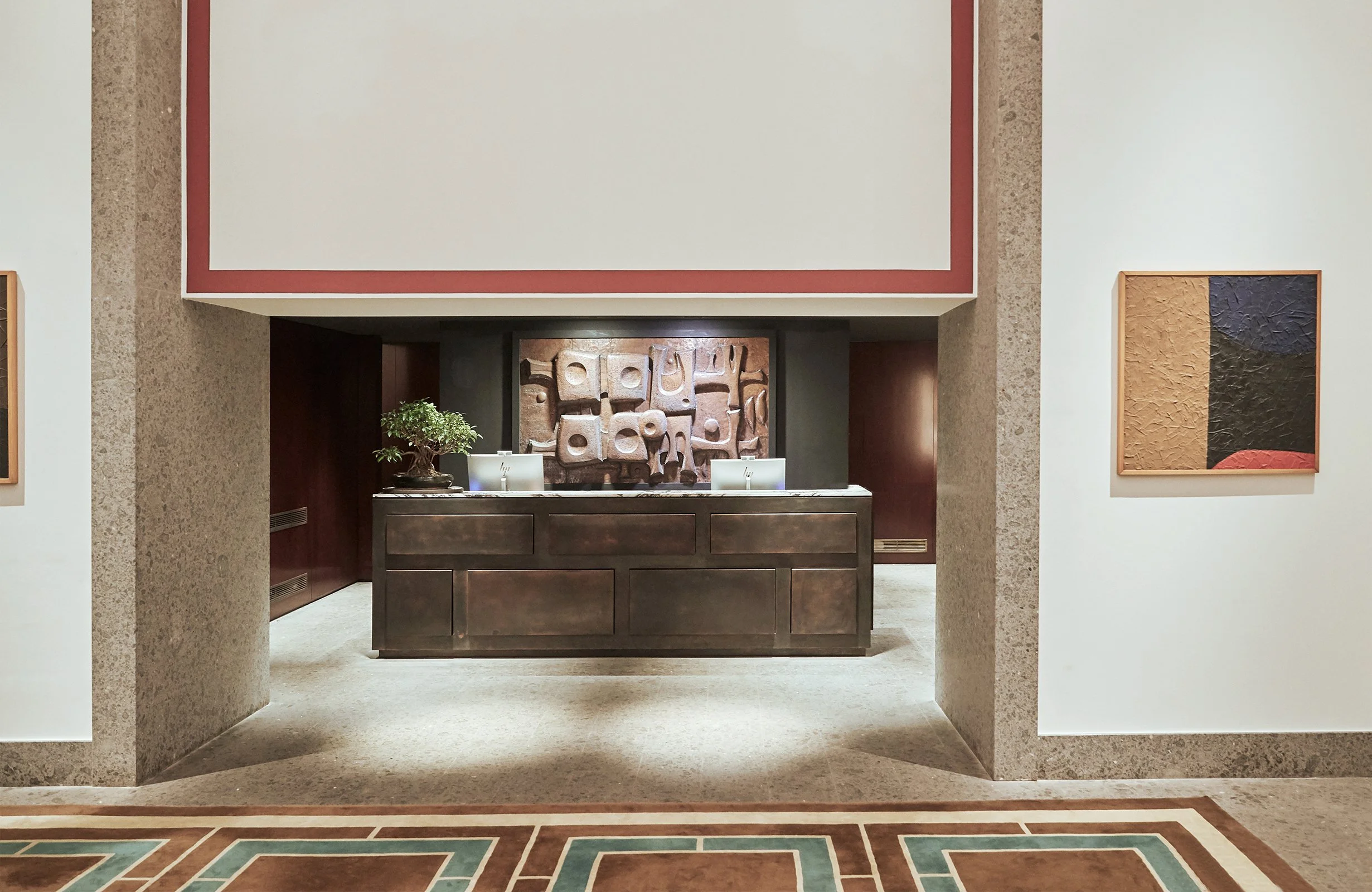
Portrait Milano
Obviously, the distinction between fashion and hospitality is not watertight. Armani has long also operated restaurants, cafes and hotels (as well as a newspaper stand, where the paper version of Lohi Journal can be purchased), as have Dolce & Gabbana, Louis Vuitton and Ferragamo.
The appeal of fashion has also worked well in a hotel environment. LMVH launched a fancy Belmond sleeper train in Britain a few months ago. Its 230-metre, 54-suite Orient Express yacht, built in partnership with Accor, is due to set sail from France next year.
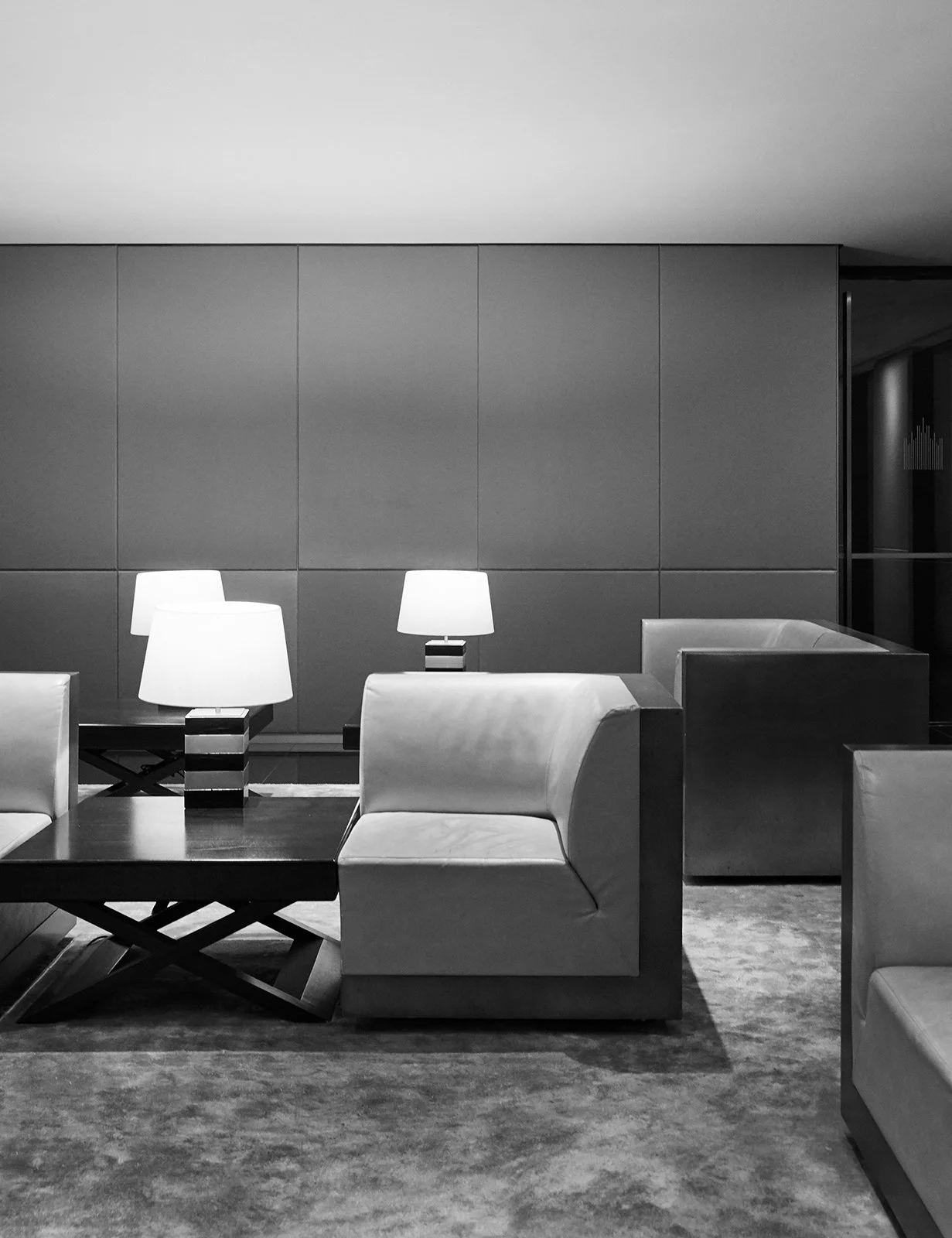
Armani Hotel, Milan
Many have probably noticed that hotel prices have generally gone up in the years following the pandemic, an effect of increased desire to travel after being couped up at home, but few may have noticed that the luxury sector within hospitality has not only increased but also become more refined.
In sum, the recent shift in consumer behaviour, turning away from traditional luxury brands, has led to an updated definition of luxury, not only defined by a product’s price point or the elusive concept of !quality”.
At luxury hotels, staff are trained to make guests feel special, learning their names and culinary preferences. At a time when many are questioning what exactly “luxury” is, the personal touch may be part of the answer.