Lohi Telegram / Travel to Breathe
“When I first got here, the first thing I did was breathe – I took as deep a breath as I could, it was like my body couldn’t believe that air could be this clean. I’ve lived in New Delhi my whole life and I’m used to pollution and smog. I don’t think you understand the quality of your everyday life, that you get to breathe this air every day.”
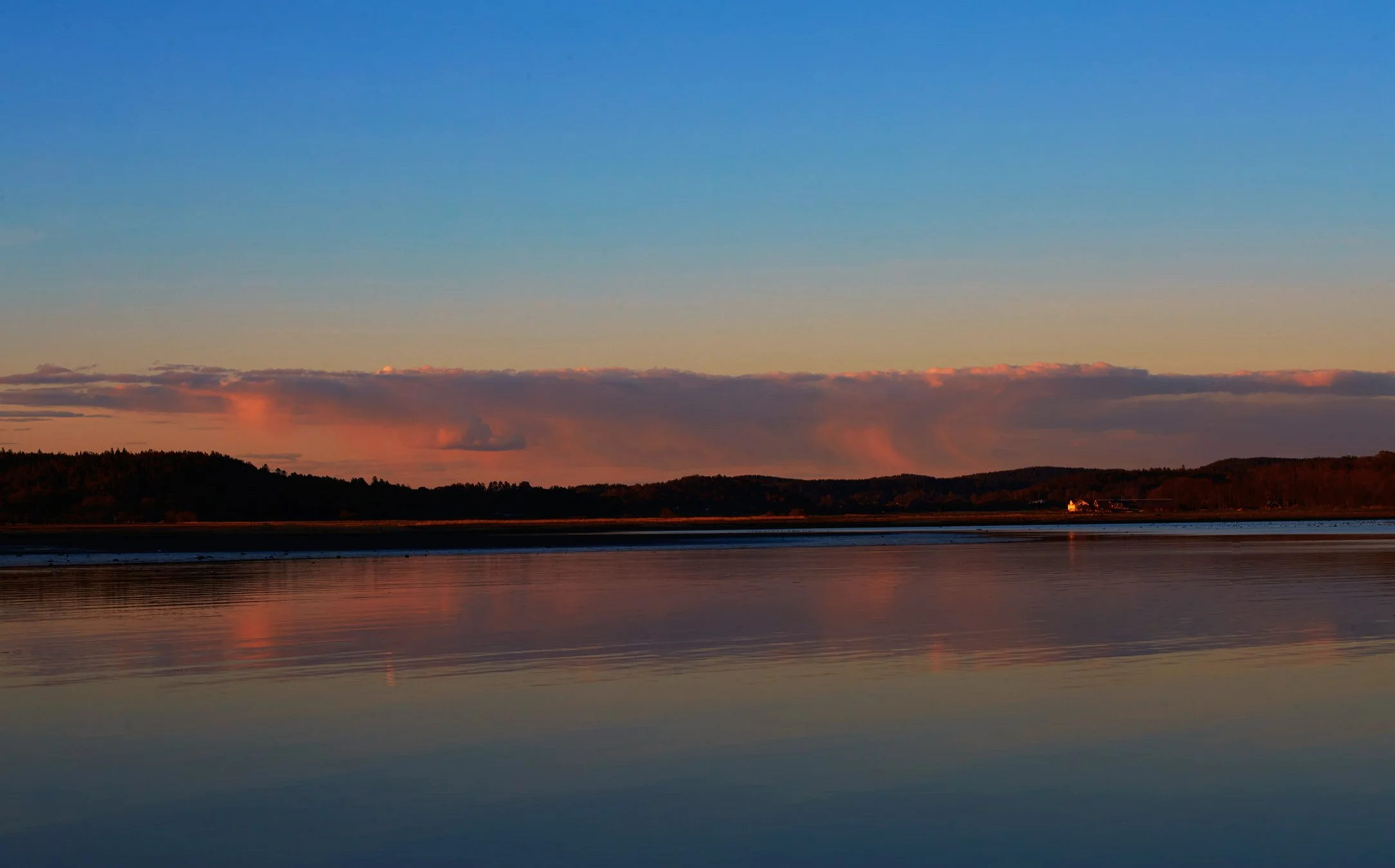
Earlier this week, I met a student at the Swedish School of Textiles, who had arrived from India a few days earlier. She told me about her first impression of Sweden, not related to fashion or textiles, but to nature.
Our conversation reminded me of something that I’ve noticed in the past months; in travel articles and comments sections, people are complaining about air pollution in many of the most popular travel destinations.
Places like the Amalfi Coast, Shanghai, and Los Angeles suffer from severe air pollution, which has only intensified in the years following the end of the pandemic (which has seen a radical increase in international travel).

At the same time, the world’s population has reached new record levels. In the early 19th century, for the first time ever, huma population reached one billion. Not even a hundred years later, the population had doubled, and since then, it has increased at record speed.
Between 1950 and 2000, the population explosion once again doubled the number of people in the world, expanding the world’s infrastructure, logistic systems, and production industries, and leading to enormous increases in pollution.
I remember visiting Paris as a child, the façades of buildings black and grey from all the exhaust fumes.
This brief background explains why clean air tourism lately has become a growing travel trend. In short, it’s about visiting destinations with high air quality, driven by an increased traveller demand for health-conscious, nature-focused, and sustainable experiences. A writer (at the time dying of cancer), once stated: “Happiness is good health. I wish I had understood that sooner”.
The tourists looking for clean air seem to have gotten the message.
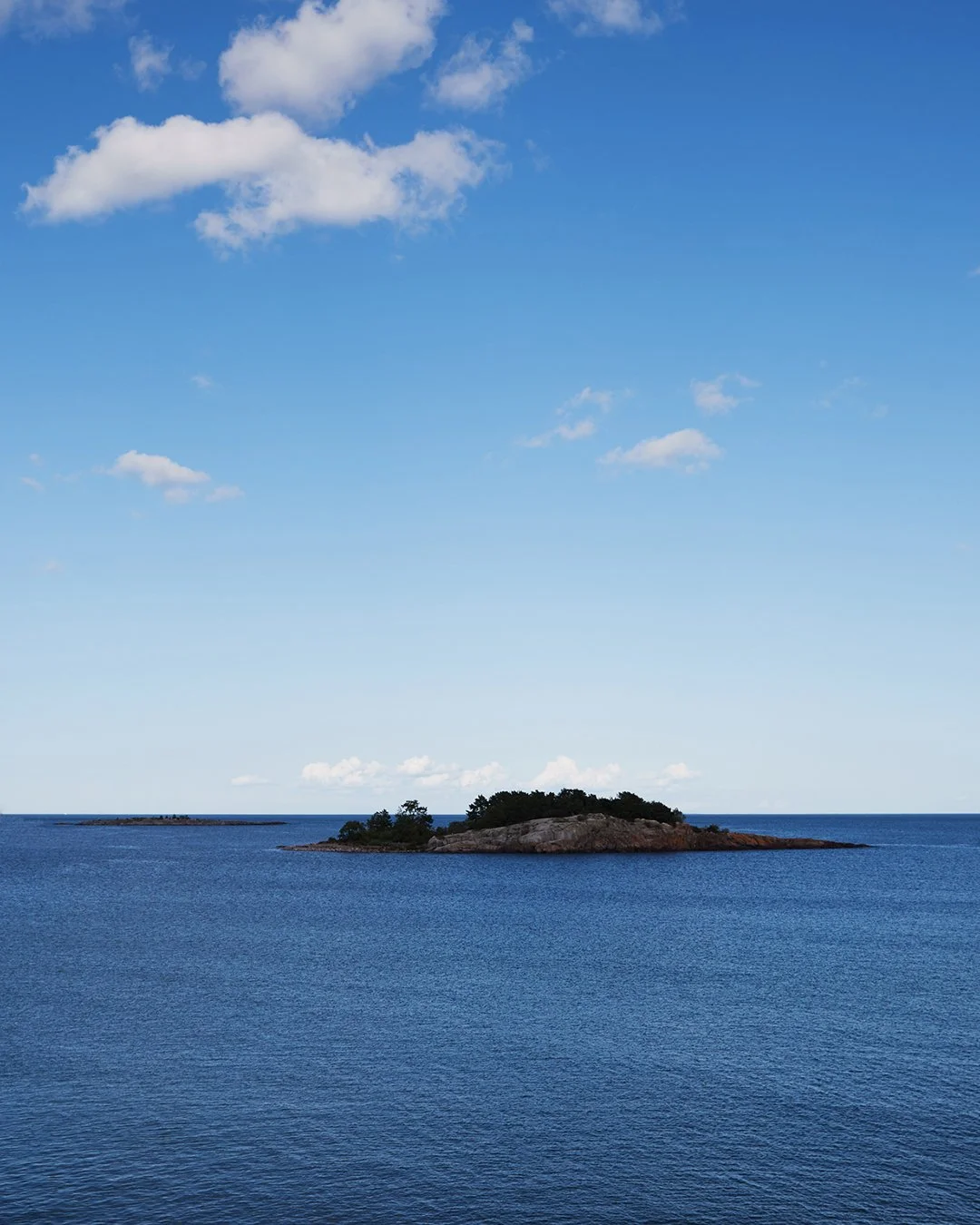
Key destinations include Alpine regions like Switzerland, Scandinavia, and coastal areas, while cities like Oulu (Finland) and Copenhagen (Denmark) lead in urban air quality.
The most popular destination for these travellers is Iceland.
As part of a research project on the creative scene of the Swedish west coast, I recently met two artists who are developing an art centre in the countryside. They had bought an old farmhouse, that they were converting into an artist studio and gallery.
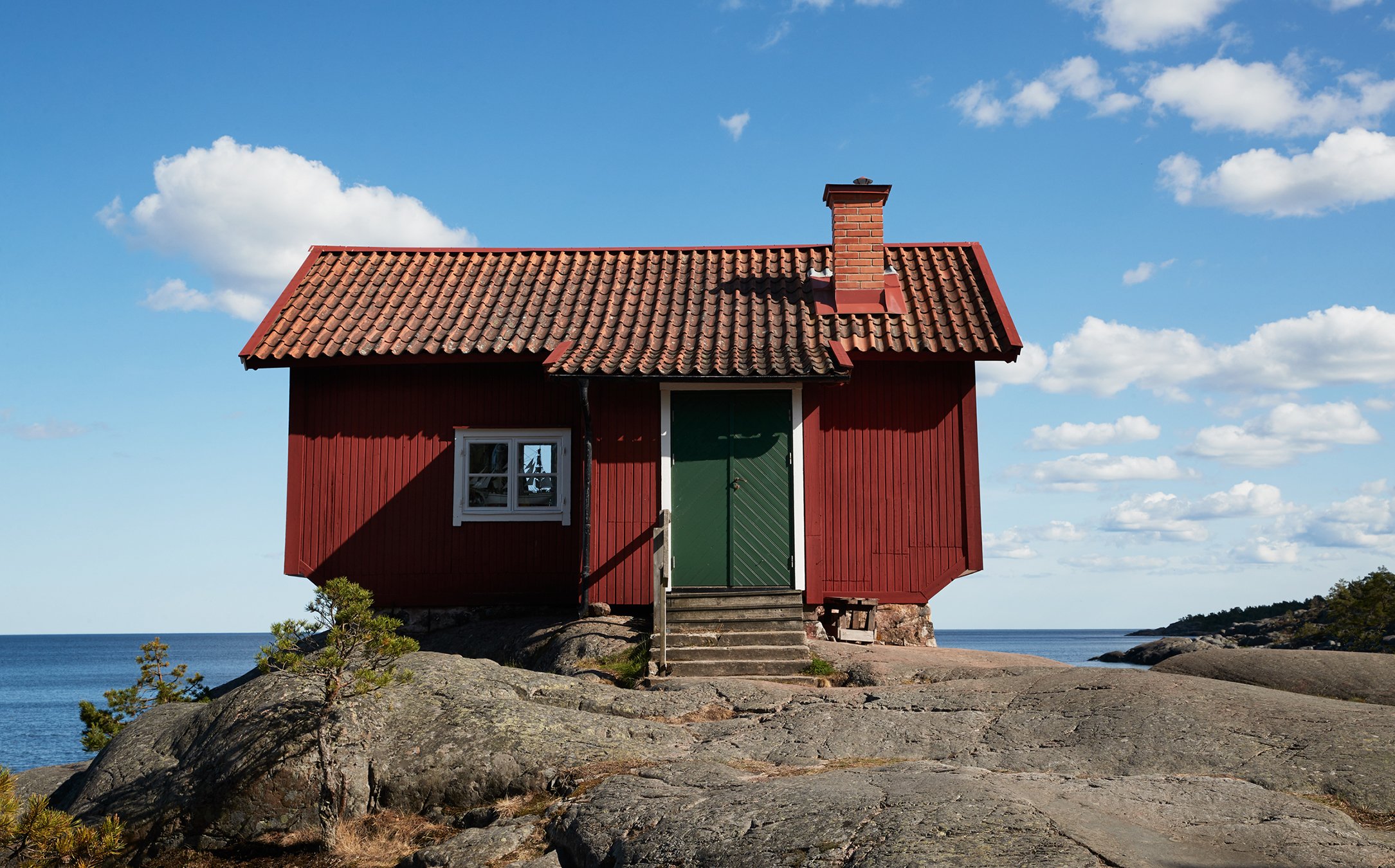
They told me about their experiences of international visitors reacting to Swedish nature. The man in the couple told me:
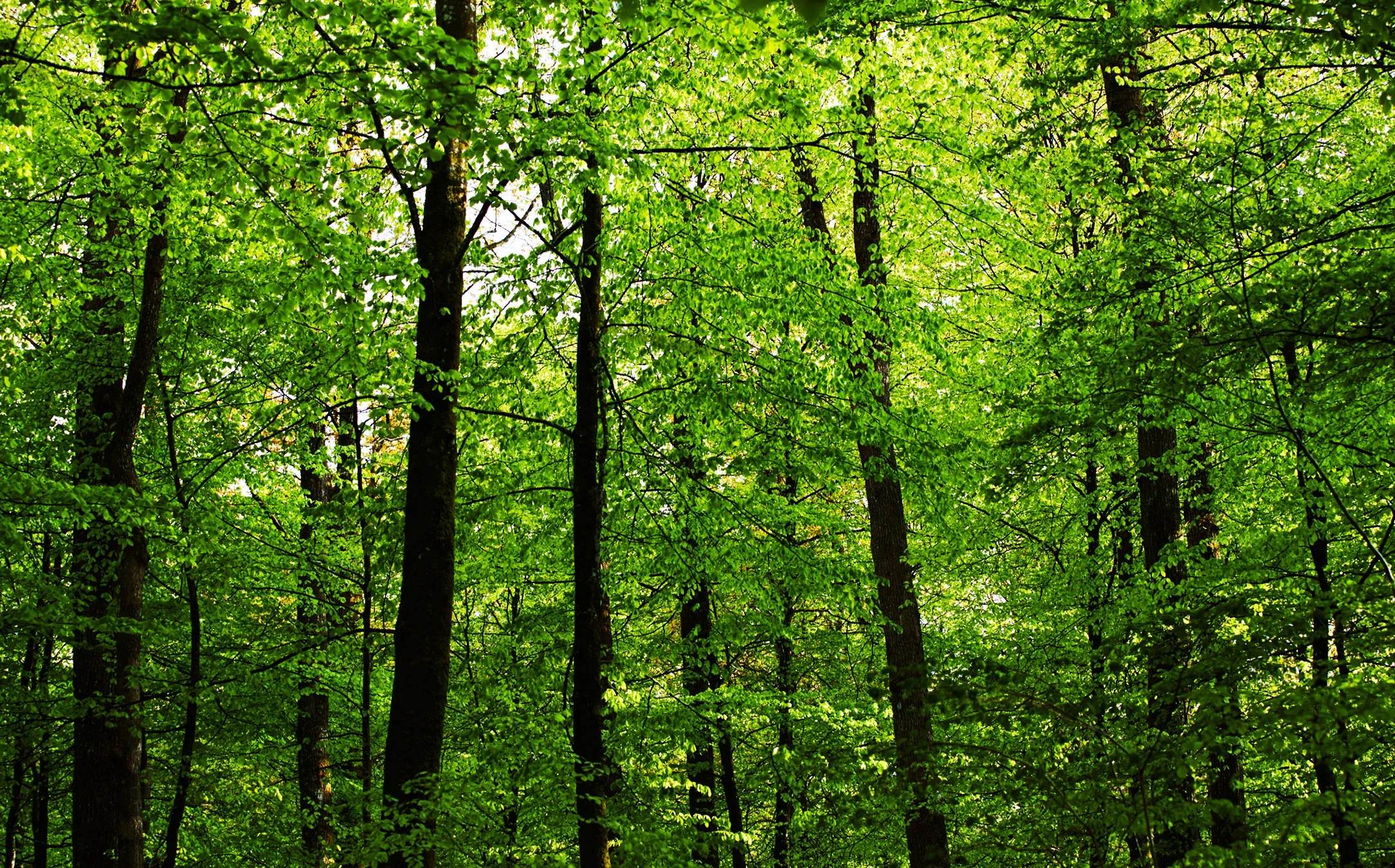
“Three months ago, two Chinese artist colleagues visited us. They travelled all the way to Sweden to visit us for just one night. I showed them the forest behind our farm. One of them was in her mid-thirties, and I had to hold her the whole time. She had never been in a forest in her entire life! She had no coordination or sense of balance. She had trouble even walking over a stump. She stood up in the middle of the woods and was completely speechless. She inhaled, and I asked her what she was doing. She replied, ‘I’ve never breathed such clean air in my entire life.’ Another story on the same subject is from when I visited a goldsmith in another Swedish city, a few miles from here. At that time, there was a Dutchman who worked in the shop, and I asked him why he had moved to Sweden from Holland. All Swedes want to move to Amsterdam. ‘Are you kidding, that’s not even a question,’ he replied. ‘How many people live in Holland and how many live here? In Holland we all live next to each other, but here I can have my own place, it’s real quality.’ So it’s both the environment and the access to personal space that matter.”
The man’s wife continued:
“That’s why we bought our farm. We enjoy driving through Europe; we like to stay at vineyards or at artists’ houses or at creative hubs. And in the same way, we want people to to stop at our place when they’re driving through Scandinavia, enjoying the fresh air, deep forests, and experimental art. We’ll live on the farm but also have a large guest house and it can be part of some kind of artist residency program, where they either work independently or with us, and get inspired by Swedish nature.”
The two Swedish artists’ plan for a small-scale business completely aligns with the emerging clean air tourism trend.
Not long ago, fresh air was abundant, something that everyone everywhere had access to.
Today, urbanization, industrialization, and mass tourism have made the air quality of many places so bad that it’s even affecting the life expectancy of the people who live there.
You can already buy Norwegian mountain water, and some of the world’s most exclusive bars use ice from the Alps to give people a taste of what real, pure water tastes like.
What they are selling is a the taste of a world free of pollution, today a rare sensation.
Perhaps the next step is to sell fresh air on tap, for those who can’t afford to travel to Iceland or to the Swedish coast, to give the customers’ lungs a break from the effects of modern society.